
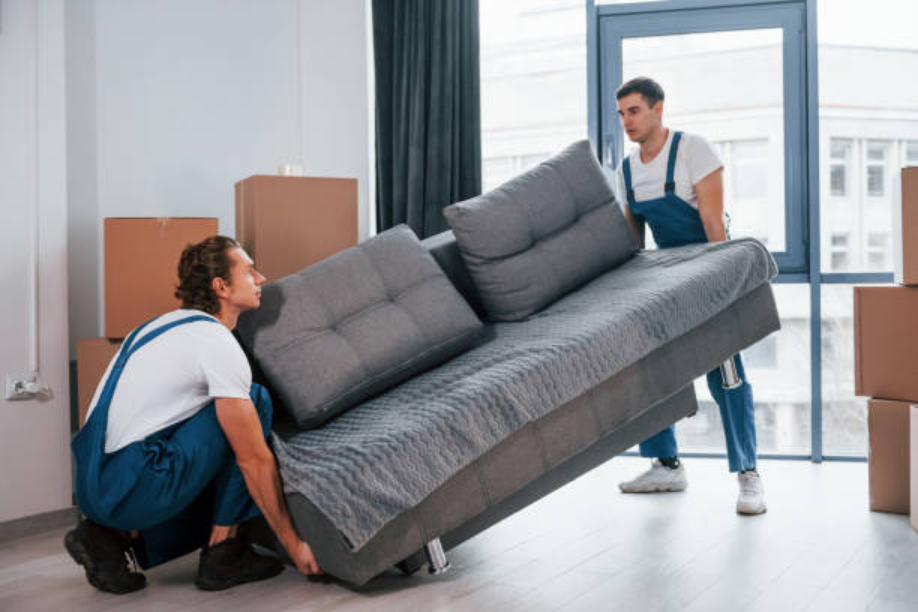
Relocating to a new property is an exciting milestone that brings fresh opportunities for interior design and lifestyle improvement. One of the most important steps after the heavy lifting is finished involves determining how to arrange furniture and organize living areas effectively. Proper planning ensures that every room remains functional, comfortable, and visually balanced for the long term.
For homeowners and renters focusing on home space planning in Raleigh projects, understanding how to design a layout that supports daily routines is essential. From determining furniture placement to managing storage areas, thoughtful planning helps residents move efficiently. These settle in tips provide the necessary guidance to transform a cold, empty house into a warm, functional home.
Why Space Planning Matters in a New Home
Space planning involves more than just picking where a sofa goes. It is the process of arranging furniture and household items in a way that maximizes usability and comfort. Without a clear strategy, even spacious homes can feel cluttered or inefficient, leading to wasted square footage and restricted movement.
Effective planning helps homeowners achieve several goals:
- Improve movement and accessibility: Ensuring you can walk through a room without dodging corners.
- Maximize square footage: Utilizing every inch of the home, including awkward corners or small nooks.
- Create comfort: Placing items in a way that feels natural for conversation, rest, or work.
- Reduce clutter: Planning for storage from day one prevents the buildup of disorganized piles.
When people relocate, they often bring furniture that was arranged for a previous home. However, room dimensions, lighting, and traffic patterns usually differ in the new property. This is why floor planning NC residents perform before physical moving day can make a significant difference in the final look and feel of the house.
Understanding the Basics of Home Space Planning
Before moving heavy dressers or sectional sofas into place, it is helpful to evaluate how each room will function. This approach helps homeowners design spaces that match their lifestyle and family needs.
Before moving heavy dressers or sectional sofas into place, it is helpful to evaluate how each room will function. This approach helps homeowners design spaces that match their lifestyle and family needs. Learn more about our professional home organization and moving services.
Identify the Purpose of Each Room
The first step in home space planning Raleigh is determining how each room will be used on a daily basis. For example, a living room might be for relaxation and entertainment, while a dining area is for family meals. In modern homes, rooms often serve dual purposes, such as a guest bedroom that doubles as a home office. Defining these purposes allows you to arrange furniture in ways that support these specific everyday activities.
Measure the Room Dimensions
Accurate measurements help prevent overcrowding and ensure furniture fits comfortably within the walls. Be sure to measure wall lengths, window placements, door swings, and ceiling heights. These measurements are essential for the floor planning NC residents use when designing furniture layouts. It is far easier to realize a table is too big on a piece of paper than it is when the table is blocking a doorway.
Practical Furniture Layout Tips for New Homes
Arranging furniture effectively requires both practical thinking and a sense of visual balance. The following table provides a starting point for the most common rooms in a home.
Start with the Largest Pieces
Large furniture items such as sofas, beds, and dining tables usually determine the layout of a room. Placing these items first allows you to build the rest of the arrangement around them. These furniture layout tips help create a clear structure for each room before smaller accessories like end tables or lamps are added.
Create Clear Walking Paths
Rooms should allow people to move freely without obstacles. Leave enough space between furniture pieces to create comfortable pathways. It is generally recommended to keep at least 30 to 36 inches for main walkways. This improves comfort and prevents rooms from feeling crowded or claustrophobic.
Room-by-Room Space Planning Strategies
Different areas of the home require different planning approaches. Understanding the unique function of each space helps create better layouts that enhance the living experience.
Living Room Layout Planning
The living room is often the central gathering area for guests and family. A good layout encourages conversation while allowing enough space for movement. Key considerations include positioning seating around a focal point and including side tables for convenience. Avoid pushing all furniture directly against the walls, as “floating” a sofa can often make a room feel larger and more sophisticated.
Bedroom Furniture Arrangement
Bedrooms should feel calm and spacious to promote rest. It is helpful to place the bed where it is easily accessible from both sides and to use vertical storage solutions when floor space is limited. Ensure that wardrobes or closets have enough clearance for doors to open fully without hitting the bed frame.
Kitchen and Dining Efficiency
In the kitchen and dining areas, the “work triangle” is a classic concept that still applies. Keep the distance between the stove, sink, and refrigerator manageable. In the dining room, ensure there is enough space behind each chair so that guests can sit and stand without bumping into the walls or other furniture.
Using Floor Planning Tools for Better Layouts
Technology has made floor planning NC easier through digital tools that allow homeowners to visualize room layouts before moving heavy furniture. These tools are especially helpful when trying to organize new home spaces efficiently.
Digital planning tools often include:
- Drag and drop furniture placement: Moving virtual icons instead of heavy lifting.
- Measurement grids: Ensuring high accuracy so you know an item will fit.
- 3D room visualization: Getting a better perspective on how the height of furniture affects the room.
Using these applications can simplify the process of home space planning Raleigh by allowing you to experiment with different looks without any physical labor or the risk of scratching new floors.
Space Planning Tips for Smaller Homes
Smaller homes require creative strategies to maintain functionality without overcrowding. Using multi-functional furniture is a great way to maximize utility in limited square footage.
Examples of multi-functional pieces include:
- Storage beds: Utilizing the space under the mattress for seasonal clothing.
- Foldable dining tables: Expanding for guests but staying small for daily use.
- Ottomans with storage: Providing a place to sit while hiding away blankets or toys.
Wall mounted shelves and tall cabinets also allow homeowners to store items without taking up additional floor space. Minimalist arrangements often make smaller spaces feel larger and more comfortable. Use mirrors to reflect light and give the illusion of more depth in narrow hallways or small bedrooms.
How Professional Movers Support Efficient Settling
Moving companies play a significant role in helping residents transition into their new homes smoothly. By handling heavy lifting and transportation, movers allow homeowners to focus on layout planning and organization.
When homeowners have a clear layout plan, movers can place furniture directly in the correct rooms during unloading. This reduces the need for rearranging later and helps families move efficiently while preparing their new homes for comfortable living. Services offered by professionals help families settle in while ensuring every item reaches its designated spot safely.
For more information about relocation support and how to prepare for your move, you can visit the official website at NuWay Relocation. Planning ahead makes these professional services even more effective for your household.
Common Space Planning Mistakes to Avoid
Even with the best intentions, certain layout choices can hinder the flow of a home. Being aware of these common errors can help you create a better environment.
- Blocking Windows: Placing tall furniture in front of windows cuts off natural light and makes a room feel smaller.
- Ignoring Lighting: Only relying on overhead lights can make a space feel cold. Incorporate floor lamps and table lamps in your plan.
- Over-decorating: While personal touches are important, too many small items can lead to visual clutter.
- Neglecting the Entryway: Failing to plan for where keys, coats, and mail go can lead to immediate disorganization.
Transform Your New House Into a Dream Home
Moving into a new home presents an opportunity to create living spaces that match your lifestyle and preferences perfectly. By focusing on home space planning Raleigh, homeowners can design rooms that balance functionality and style from day one. Using practical furniture layout tips, measuring room dimensions, and considering traffic flow can significantly improve how each space is used.
Strategies for floor planning NC also help prevent common layout mistakes that lead to clutter and frustration. With thoughtful preparation and careful organization, any family can organize new home environments that feel comfortable, welcoming, and intentionally designed. If you are ready to make your next move seamless and organized, contact us today to learn how our professional team can assist with your relocation, or feel free to visit our office to discuss your plans in person.
Frequently Asked Questions
What is home space planning?
Home space planning is the process of arranging furniture and household items to improve comfort, functionality, and visual balance. It helps create an organized layout that allows easy movement and supports daily activities.
How can I organize a new home after moving?
Start by unpacking essential items first and assigning a clear purpose to each room. Use storage bins, labels, and simple organization methods to keep everything tidy and easy to find.
What are the most important furniture layout tips?
Place large furniture pieces first and maintain clear walking paths throughout the room. A balanced layout improves comfort and keeps the space open and functional.
Are floor planning tools useful for homeowners?
Yes, floor planning tools help homeowners visualize room layouts before moving furniture. They reduce overcrowding and make it easier to arrange items efficiently.
How can I move efficiently into a new home?
Plan furniture placement ahead of time and label boxes according to their destination rooms. This helps movers unload quickly and makes the moving process smoother.
Why is natural light important in space planning?
Natural light makes rooms feel brighter, larger, and more welcoming. Proper furniture placement and mirrors can help distribute light throughout the space.